Skip to main content
IPTV Sverige | Billigaste & Största IPTV

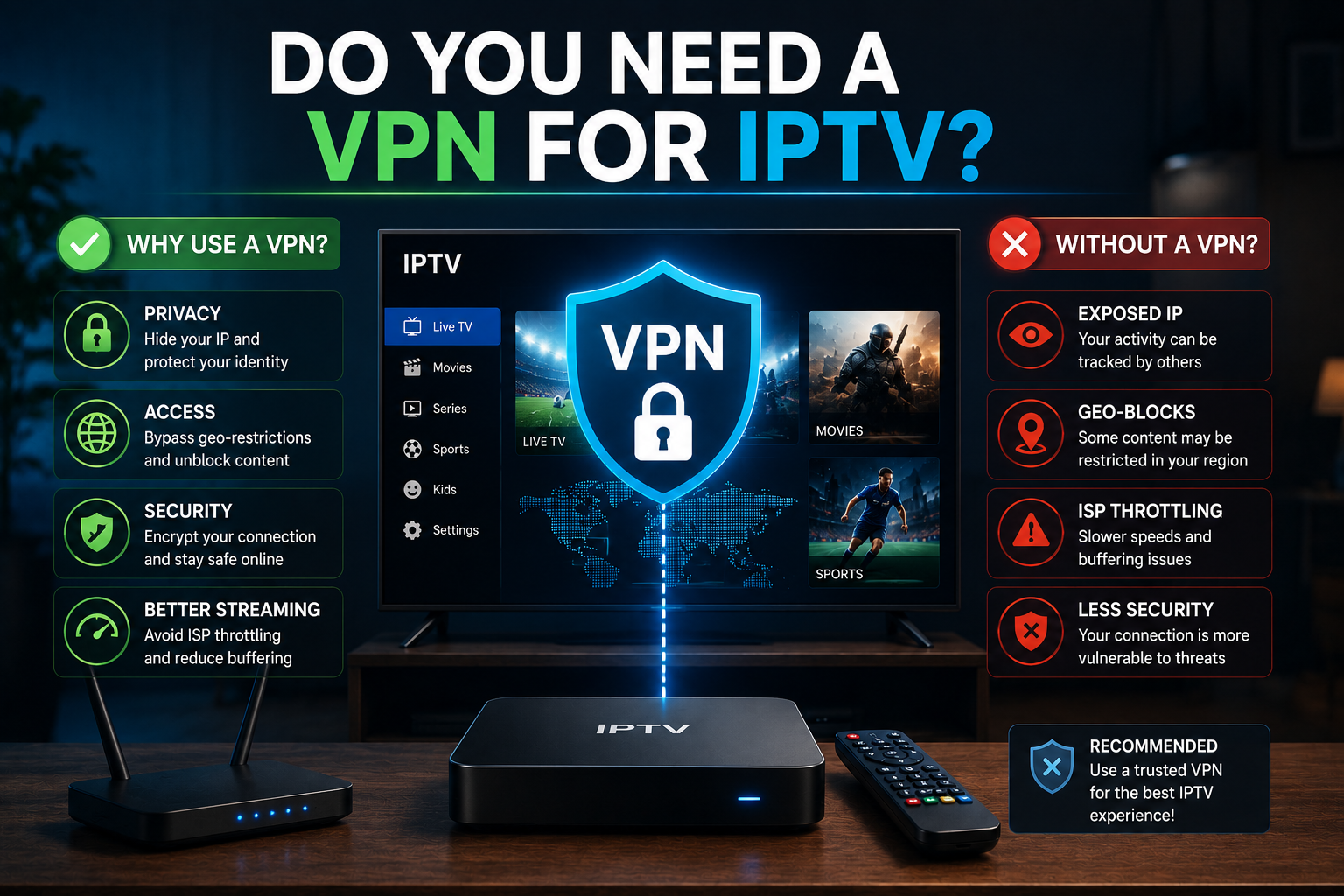
Do you need a vpn for iptv if you already have a stable IPTV subscription at home? The honest answer is: not always. A VPN can improve privacy, help on public WiFi and sometimes reduce activity based slowdowns, but it can also make IPTV slower if the VPN server is crowded or far away.
For IPTV users in Sweden, the smarter question is not “VPN or no VPN?” It is “what problem am I trying to solve?” If your IPTV runs smoothly on your Smart TV, Apple TV, Android box or mobile device, a VPN may be optional. If your streams buffer only through your internet provider, if you travel often, or if you use IPTV apps on public networks, a good VPN can be useful.
What A VPN Actually Does For IPTV
A VPN creates an encrypted connection between your device and a VPN server. NordVPN explains that a VPN encrypts internet traffic, changes the visible IP address and sends traffic through a VPN server. For IPTV, that can improve privacy and sometimes help when a connection is being slowed based on detected streaming activity.
A VPN does not give you IPTV channels. It does not improve a weak IPTV provider. It does not make unlicensed content legal. It only changes how your device connects to the internet.
That difference matters. If your IPTV problem is poor server quality, overloaded channels or a bad app, a VPN will not magically fix it.
Competitor Analysis
The NordVPN article is structured like a practical VPN guide. It defines IPTV, explains how VPNs work, lists privacy and speed benefits, warns about free VPNs, shows setup methods for routers and Fire TV Stick, and ends with troubleshooting and FAQ. Its strongest points are privacy, encryption, ISP visibility and setup guidance. It also clearly states that a VPN does not provide IPTV access and should be used only with legitimate services.
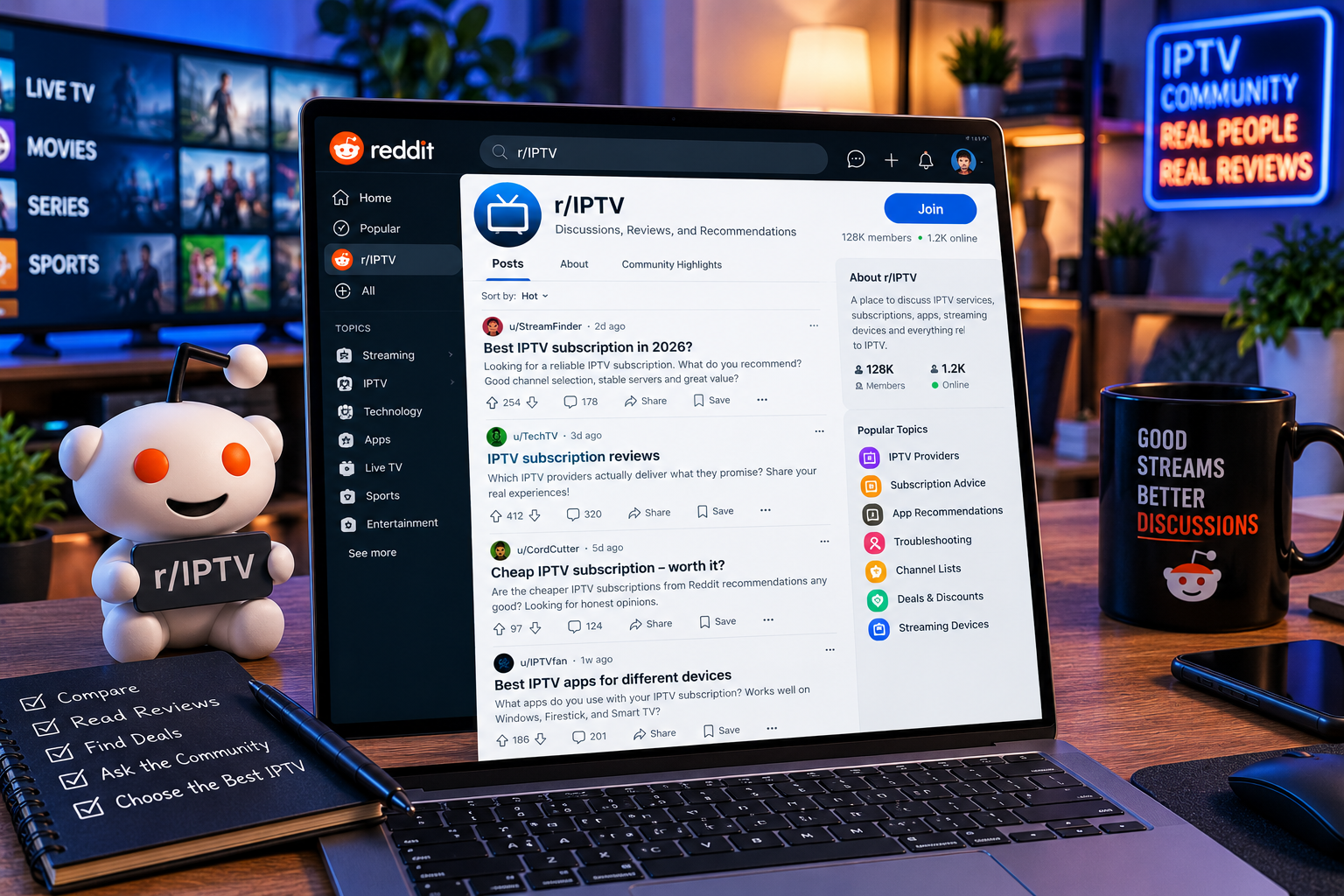
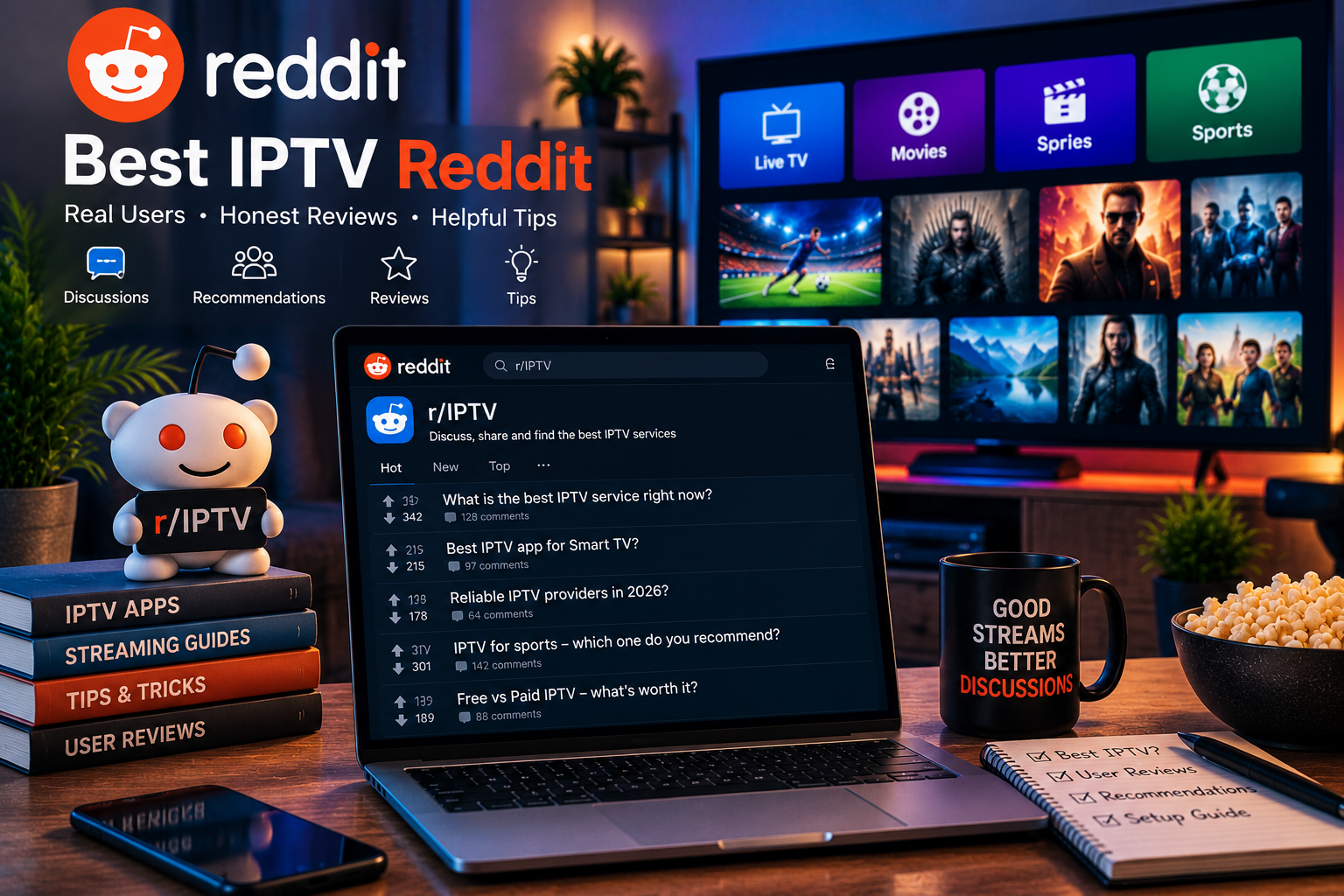
The Reddit thread gives a more personal view. Users discuss whether IPTV needs a VPN, with several comments saying a VPN can help if an ISP throttles IPTV traffic. One user says they route only certain apps through a VPN, such as Kodi, while leaving other apps outside the VPN. Another user claims their IPTV connection worked only after turning on a VPN.
The missing point in both competitors is balance. NordVPN naturally leans toward VPN benefits, while Reddit is anecdotal and sometimes inconsistent. This guide gives a clearer decision path for Swedish IPTV users, based on privacy, speed, legal use, devices and real world setup.
When You Do Need A VPN For IPTV
You Use IPTV On Public WiFi
A VPN is useful if you watch IPTV on hotel WiFi, airport WiFi, café networks or shared student housing networks. Public networks can expose more metadata and may be poorly secured. A VPN adds an encrypted layer between your device and the network.
This is especially relevant for mobile IPTV users who watch on iPhone, iPad, Android phones, laptops or travel boxes.
Your ISP Seems To Slow IPTV Traffic
Some users turn to VPNs because IPTV buffers on one connection but works better through another. Reddit comments show this exact pattern, with users saying IPTV playback improved when VPN was enabled.
Still, you should test before assuming throttling. Run the same IPTV app on another device, test another network and compare with a nearby VPN server. If only IPTV is slow and everything improves through the VPN, then a VPN may help.
You Want More Privacy From Your Internet Provider
Your internet provider can generally see connection metadata, such as destination services, timing and data volume. NordVPN explains that IPTV depends on internet connection quality and that a VPN can encrypt traffic and hide activity patterns from the ISP.
A VPN is not full anonymity, but it does reduce what your local network and internet provider can observe.
You Travel Often
A VPN can help keep your connection more consistent when you move between networks. It can also protect your login activity when you use IPTV apps outside your home. Just remember that some IPTV services may restrict access by region or block VPN traffic, so choose a nearby server and follow the service terms.
When You Do Not Need A VPN For IPTV
You may not need a VPN if your IPTV already works smoothly at home, your provider is stable, your internet speed is strong and you watch mostly on a trusted home network. A VPN adds another step between your device and the IPTV server, so it can sometimes create more problems than it solves.
NordVPN itself notes that using a VPN does not guarantee better IPTV performance, and speed can vary because of server location and encryption overhead.
If you have buffering, first test the basics: wired connection, router position, IPTV app, channel quality, EPG loading and provider support. A VPN should be part of troubleshooting, not the first assumption.
VPN And IPTV Legality
A VPN is legal in many countries, including Sweden, when used for normal privacy and security. The legal issue is not the VPN itself. The issue is whether the IPTV content is licensed.
PRV, the Swedish Intellectual Property Office, explains that it works to increase awareness of copyright and illegal streaming, and helps users understand what applies when streaming films, series, sport and other content.
A VPN does not make illegal IPTV legal. If a service offers premium sports, movies and TV channels without proper rights, hiding your IP address does not change the legal nature of the content.

What About ISP Throttling In Sweden And The EU?
In the EU, open internet rules say internet traffic should be treated without discrimination, blocking, throttling or prioritisation. The European Commission explains that blocking, throttling and discrimination by internet service providers are not allowed except in limited cases such as legal obligations, network integrity, security or exceptional congestion.
BEREC also explains that ISPs are prohibited from blocking or slowing internet traffic except where necessary, with exceptions limited to legal orders, network security and temporary congestion management where equivalent traffic is treated equally.
This means Swedish users should avoid assuming every IPTV buffering issue is throttling. It may be wifi, router placement, provider load, app problems or old TV hardware. A VPN can still help in some situations, but diagnosis matters.
Best Devices For IPTV With A VPN
Android TV And Fire TV Stick
Android based devices are usually easiest because many VPN apps install directly from the app store. You open the VPN app, connect to a nearby server, then open your IPTV player.
iPhone, iPad And Android Mobile
Mobile devices are simple. Install the VPN app, connect to a server near your actual location and open the IPTV app. This is useful for travel and public WiFi.
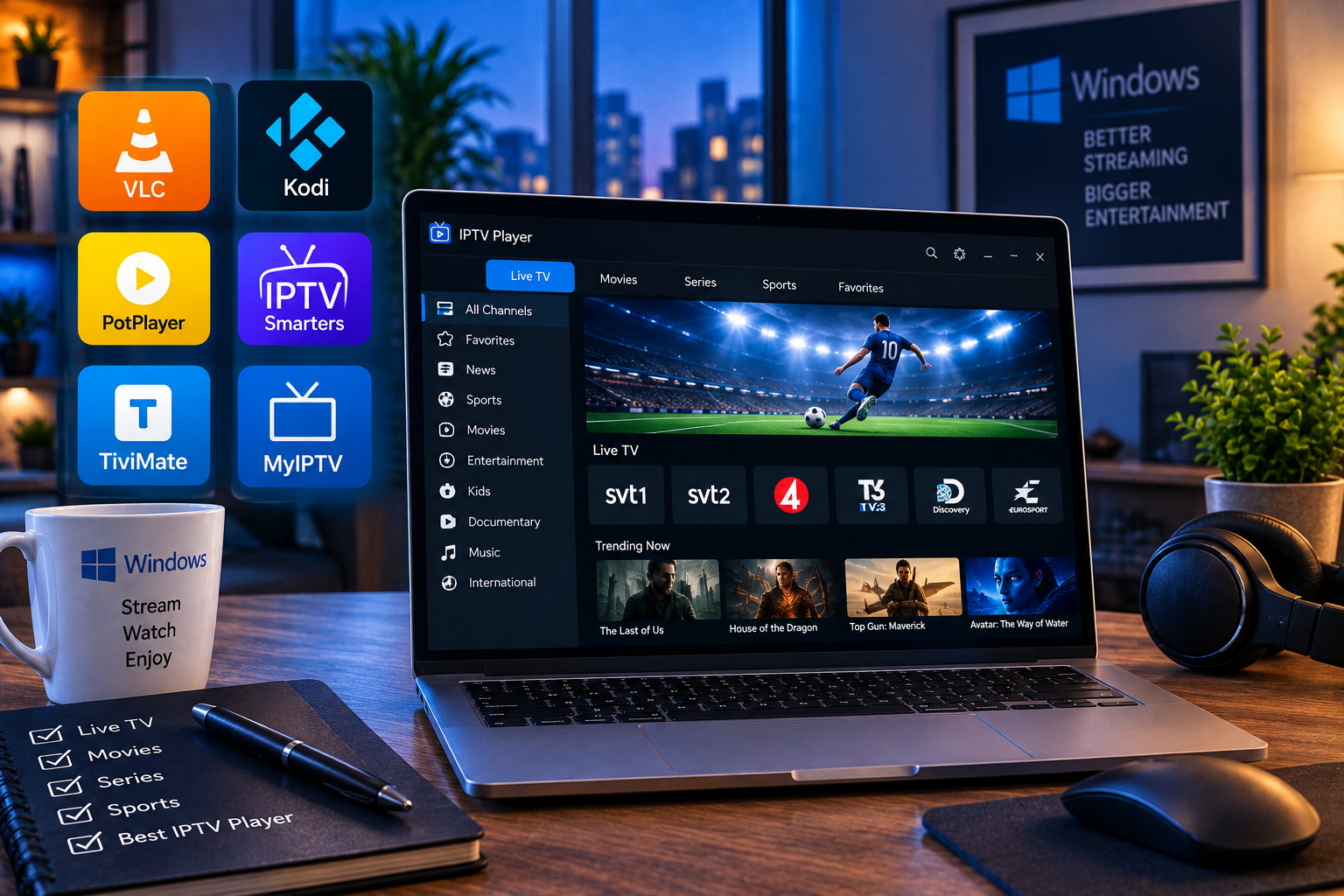
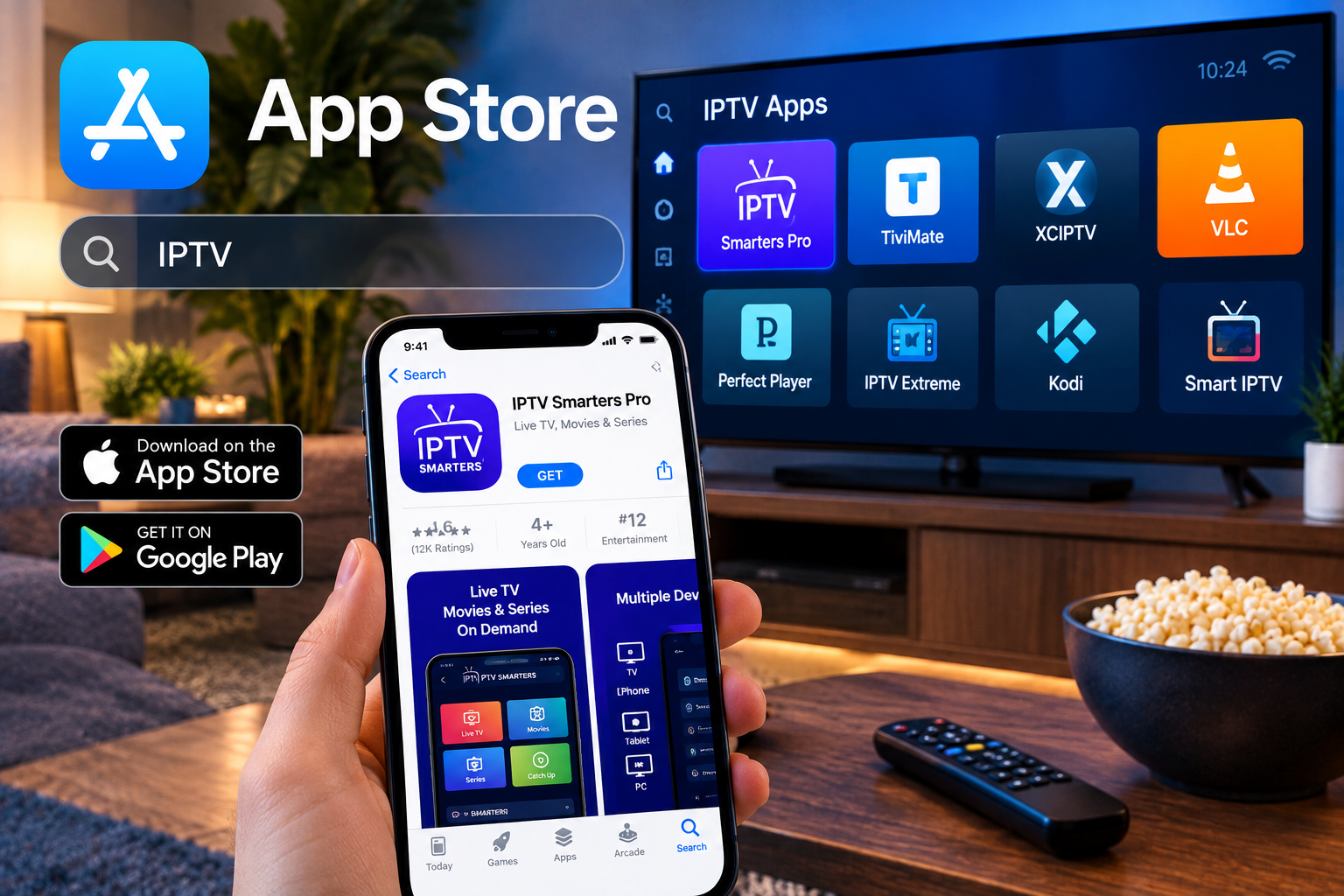
For mobile setup and IPTV app selection, a practical IPTV guide for iOS and Android can help you match your subscription with the right player before adding VPN settings.
Samsung TV And LG Smart TV
Many Smart TVs do not support VPN apps directly. In that case, you can install the VPN on your router or use a VPN enabled hotspot from a laptop. NordVPN also explains that router setup can protect IPTV devices that do not support VPN apps directly.
Apple TV
Newer Apple TV models may support some VPN apps depending on the provider and tvOS support. If direct installation is not available, router setup is the usual path.
How To Test If A VPN Helps IPTV
Start with no VPN. Open your IPTV app and test several channels: live TV, sport, movie channels and VOD. Note buffering, startup time and picture quality.
Then connect to a nearby VPN server in the same country as your IPTV service or close to your physical location. Test the same channels again. Do not compare different channels or different times, because IPTV performance changes throughout the day.
If the VPN improves only one app, your ISP route may be the issue. If the VPN makes everything slower, turn it off or try a different server. If neither setup works well, the problem may be the IPTV provider, app or home network.
Free VPN Or Paid VPN For IPTV?
Free VPNs are usually poor for IPTV. NordVPN notes that free VPNs may have data limits, slower speeds, ads and privacy risks. These problems matter even more for IPTV because live TV needs consistent bandwidth.
A good IPTV VPN should have fast nearby servers, unlimited data, strong encryption, stable apps and router support if you use Smart TV. It should also have clear privacy terms and a clean reputation.
When comparing JA IPTV with other services, test the same IPTV app with VPN on and off. That gives a fairer result than blaming the provider or VPN too early.
VPN Settings That Usually Work Best
Choose a nearby VPN server. A server in your own country or a nearby country usually gives better speed than a server across the world.
Use a modern VPN protocol if your app offers one. WireGuard based protocols are often fast, but the best setting depends on your VPN provider and device.
Turn off double VPN or extra privacy modes while streaming unless you really need them. They can add distance and slow the stream.
Avoid switching servers during a live match. IPTV apps can fail when the IP changes mid stream.
Common IPTV VPN Problems
IPTV Does Not Load With VPN
The IPTV provider may block VPN traffic, or your chosen server may be flagged. Try a nearby server or contact support.
VPN Makes IPTV Buffer
Your VPN server may be crowded or too far away. Choose a closer server, restart the app and test again.
EPG Works But Channels Do Not
This can happen when the guide loads through one route but video streams fail through another. Test without VPN, then with another VPN server.
Smart TV Has No VPN App
Use router VPN setup or run IPTV on a device that supports VPN apps, such as Android TV, Fire TV Stick, mobile or laptop.
Sports Buffers More Than Movies
Live sport is less forgiving than VOD. Use Ethernet if possible, close other downloads and test VPN only if the stream still struggles.
Safety Checklist Before Using VPN With IPTV
Use legal IPTV sources. Install apps from official stores when possible. Avoid public sharing of M3U links, Xtream Codes or portal details. Keep receipts and support messages for any paid digital service.
Konsumentverket explains that Swedish consumers have the right to complain about faults in streaming services, and for a streaming service bought for a period, the company is responsible for faults during that period.
That is another reason to choose clear providers, not anonymous offers with no support or terms.
FAQ
Do You Need A VPN For IPTV At Home?
Not always. If your IPTV works smoothly on a trusted home network, a VPN may be optional. Use one if you need privacy, travel security or throttling troubleshooting.
Will A VPN Stop IPTV Buffering?
Sometimes, but not always. It may help if routing or ISP traffic handling is the problem. It will not fix a weak IPTV provider, overloaded server or bad wifi.
Does A VPN Make IPTV Legal?
No. A VPN only changes your connection. Legal use depends on whether the IPTV service has rights to distribute the content.
What VPN Server Should I Use For IPTV?
Use a nearby server, ideally in your country or close to your IPTV provider. Nearby servers usually give lower latency and better speed.
Should I Use VPN On A Smart TV?
Use it only if needed. If your Smart TV does not support VPN apps, router setup or an Android based streaming device is usually easier.
A VPN for IPTV is useful when you need privacy, public WiFi protection or a way to test suspected connection slowdowns, but it is not required for every home setup. For a Sweden focused IPTV service with live TV, sports, movies, series, HD, FHD, 4K and simple installation support, visit Sverige IPTV and choose a package that fits your device and viewing habits.