Skip to main content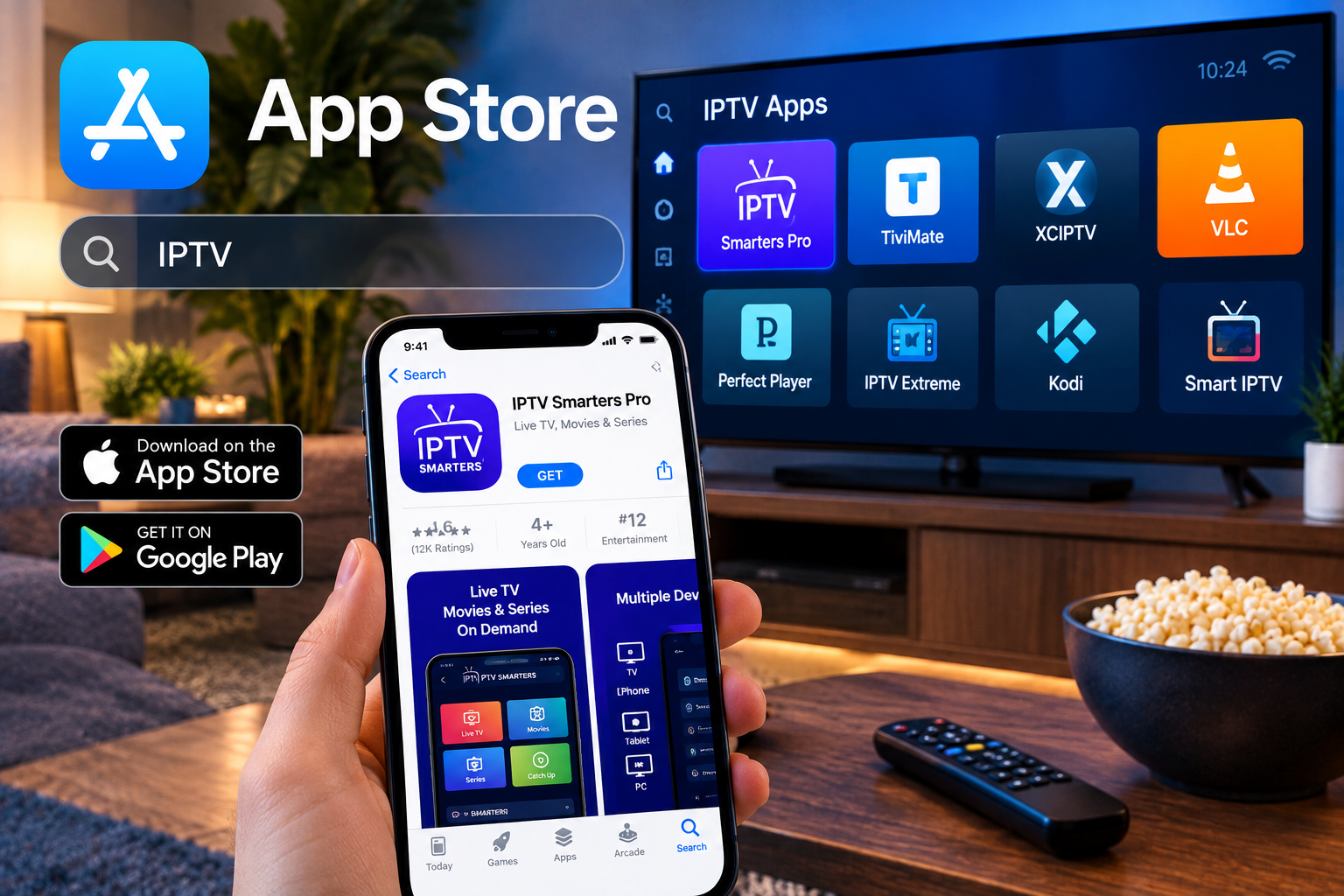
IPTV Sverige | Billigaste & Största IPTV

Finding reliable IPTV suppliers in 2026 can be difficult because the market includes many different types of sellers. Some companies operate their own infrastructure, some work as resellers, and others simply repackage access purchased from another source.
For the average viewer, the exact supply chain matters less than whether the service is transparent, stable, supported, compatible with their devices, and suitable for the content they actually want to watch.
For Swedish users, that may include Swedish television, Nordic channels, live sports, movies, series, and international programming in HD, FHD, or 4K.
The safest approach is to compare suppliers using practical evidence rather than promises such as “50,000 channels,” “zero buffering,” or “100% uptime.”
This guide explains how to identify stronger IPTV suppliers and which warning signs to avoid.
What Is an IPTV Supplier?
The phrase IPTV supplier can describe several different businesses.
At the consumer level, it usually means a company supplying access to live television, movies, series, or other streaming content through internet-based television technology.
Behind that consumer-facing service, however, there can be several layers.
Infrastructure Operators
These may operate servers, stream-processing systems, content delivery infrastructure, or other parts of the technical platform.
Service Providers
A provider may combine technical infrastructure, channel feeds, account management, billing, and customer support into a service sold to end users.
Resellers
A reseller purchases access or credits from another provider and sells subscriptions to customers under its own brand.
The distinction is not always visible from a website.
A Reddit discussion about IPTV suppliers highlights exactly this confusion, with users debating the number of large upstream operators compared with the much larger number of downstream sellers and resellers.
For consumers, this means you should judge the service you can actually verify rather than relying on claims about who owns the underlying infrastructure.
1. Start With a Trial or Short-Term Plan
One of the best ways to evaluate IPTV suppliers is to test the service before making a long commitment.
A website can look polished and still deliver poor streaming performance.
A trial or short subscription lets you check the service under your own conditions.
What to Test
Try several categories:
- Swedish channels
- Nordic television
- Sports
- News
- Movies
- Series
- HD or FHD streams
- Your preferred device
Do not test only one channel for five minutes.
Use the service during the same hours you normally watch television, especially evenings and major sporting events.
That is when reliability becomes easier to evaluate.
2. Check Streaming Stability During Peak Hours
Reliability is more important than an enormous advertised catalog.
A supplier may claim thousands of channels, but that number becomes irrelevant if important streams freeze whenever demand increases.
Look for:
- Fast loading
- Smooth channel switching
- Stable audio
- Consistent video
- Minimal freezing
- Reliable evening performance
- Good sports playback
Remember that buffering can also come from your own connection.
Wi-Fi quality, router performance, broadband speed, device hardware, VPN configuration, and other household traffic can all affect playback.
A useful test should therefore use your normal home network and your normal viewing device.
3. Compare Useful Channels Instead of Huge Numbers
Large channel counts are one of the most common IPTV marketing tactics.
But a supplier advertising 30,000 channels is not automatically better than one with a smaller, better-organized catalog.
Most people watch a limited number of categories repeatedly.
Swedish users may care about:
- Swedish TV
- Nordic channels
- Football
- Hockey
- Motorsport
- International sports
- News
- Movies
- Series
- Children’s television
- Documentaries
- International entertainment
Before choosing a supplier, list the content you genuinely want.
Sverige IPTV users can review the currently available IPTV channels and compare them with their own viewing priorities.
This is much more useful than choosing solely by the largest headline number.
4. Check Whether the Supplier Clearly Explains Device Support
A trustworthy supplier should make compatibility relatively easy to understand.
Common IPTV devices include:
- Samsung Smart TV
- LG Smart TV
- Android TV
- Google TV
- Android phones
- iPhone
- iPad
- Windows
- Mac
- Compatible streaming boxes
Be careful with vague claims such as “works on every device.”
You should know which player or connection method is required before paying.
5. Understand M3U and Xtream-Style Credentials
Many IPTV services use common login methods.
M3U
An M3U URL contains playlist information that a compatible IPTV player can load.
It is widely supported across different devices and apps.
Xtream-Style Login
This commonly includes:
- Server URL
- Username
- Password
Compatible apps can use those credentials to organize live television, movies, series, and guide information.
The important point is not which method sounds more advanced.
The important question is whether your supplier clearly explains which login format you receive and which applications support it.

6. Evaluate Customer Support Before Buying
Customer support is one of the easiest trust signals to test before spending money.
Ask a simple question.
For example:
- Does my Smart TV work?
- How many simultaneous streams are allowed?
- Which IPTV player should I use?
- Is an EPG included?
- How long does activation take?
Look at the quality of the answer.
Strong support should be:
- Clear
- Relevant
- Professional
- Consistent
- Easy to understand
Poor signs include evasive replies, pressure to pay immediately, unrelated answers, or refusing to clarify basic plan details.
For viewers comparing service structures, Sverige IPTV packages provide an example of checking available subscription durations before choosing a longer commitment.
7. Check Simultaneous Connection Limits
This is frequently misunderstood.
A service can work on ten different device types while allowing only one stream at a time.
Device compatibility and simultaneous connections are separate issues.
Before purchasing, ask:
- How many active streams are allowed?
- Can several family members watch at once?
- Are extra connections available?
- Can I change devices?
- Are connection limits tied to the account?
This matters especially for households where one person watches sports while another wants movies or children’s content.
8. Compare Picture Quality Realistically
Suppliers commonly advertise:
- HD
- FHD
- 4K
- UHD
These labels are useful, but they do not guarantee quality.
Actual picture quality depends on:
- Original source
- Bitrate
- Compression
- Server performance
- Internet connection
- Device capabilities
- IPTV player
- Display quality
A smooth Full HD stream can easily offer a better experience than an unstable 4K stream.
Test actual channels rather than trusting the label alone.
9. Check the EPG
An Electronic Program Guide can make a major difference to everyday usability.
A useful EPG displays:
- Current program
- Next program
- Channel schedule
- Start time
- End time
Without good guide data, a huge IPTV catalog becomes much harder to navigate.
During a trial, check whether the EPG works on your preferred channels and whether program information appears accurate.
10. Compare Pricing Without Automatically Choosing the Cheapest
Very low pricing can be attractive, but price alone does not indicate value.
Instead, compare what the subscription includes.
Look at:
- Subscription duration
- Channel selection
- VOD availability
- Device support
- Number of connections
- EPG
- Customer support
- Activation process
- Renewal rules
A slightly more expensive plan may provide better value if the service is more stable and properly supported.
At the same time, a high price is not proof of quality either.
Testing remains important.
11. Watch for Supplier Red Flags
Some warning signs deserve extra attention.
Unrealistic Guarantees
Be skeptical of claims such as:
- Zero buffering forever
- 100% uptime
- Every channel worldwide
- Permanent 4K
- Unlimited everything
- Guaranteed perfect sports streaming
Streaming depends on too many variables for absolute promises to be meaningful.
Pressure to Pay Quickly
Be cautious if a supplier creates artificial urgency or refuses to answer questions until payment is made.
No Clear Plan Information
Subscription duration, connection limits, and activation details should be reasonably understandable.
Suspicious Payment Requests
Avoid sending money through unfamiliar methods without understanding who you are paying and what protections are available.
No Trial or Short Option
This is not automatically a scam indicator, but it increases the risk when combined with other warning signs.
12. Check Website and Payment Security
Before entering payment information, review the basics.
Check:
- HTTPS
- Correct domain
- Clear contact information
- Subscription terms
- Payment process
- Renewal details
- Refund information
- Privacy information
Be careful with links sent through unsolicited direct messages.
Fake websites can imitate real brands.
Always verify the domain before entering credentials or payment details.
13. Supplier Reputation Requires More Than Reviews
Online reviews can help, but they should not be your only evidence.
IPTV communities often contain:
- Affiliate recommendations
- Promotional posts
- Fake reviews
- Competitor attacks
- Referral spam
- Anonymous sellers
A useful review usually contains specific details.
For example:
- Device used
- Country
- Subscription duration
- Sports performance
- Peak-hour stability
- Support experience
A comment saying only “best service ever” provides very little useful information.
When researching alternatives such as Nordic IPTV King, apply the same comparison process: verify current content, compatibility, terms, support, and performance rather than relying solely on brand mentions.
14. Understand Reseller vs Supplier Claims
You may see sellers claiming to be the “original source,” “main server,” or “direct supplier.”
These claims can be difficult for consumers to verify.
The Reddit discussion supplied for this topic also shows uncertainty around how many actual upstream services exist and how many businesses simply resell or restream from larger sources.
For an end user, the practical questions are simpler:
- Does the service work?
- Is support available?
- Are the channels relevant?
- Are connection rules clear?
- Is pricing transparent?
- Can you test before committing?
- Is the service operating legally?
Those factors are more useful than an unverified claim about owning servers.
15. Consider Licensing and Legality
IPTV technology itself is not inherently illegal.
The legal issue concerns whether a supplier is authorized to distribute the content it offers.
This matters especially when services advertise premium television, pay-TV sports, or subscription-only entertainment.
Users in Sweden should consider applicable copyright rules and the supplier’s content rights before subscribing.
A paid subscription does not automatically mean every stream is authorized.
IPTV Supplier Comparison Checklist
Use this checklist before choosing:
| Factor | What to Verify |
| Trial | Can you test first? |
| Channels | Are your preferred channels available? |
| Stability | Does it work during peak times? |
| Quality | Are HD/FHD/4K streams genuinely usable? |
| Devices | Does it support your hardware? |
| Login | M3U, Xtream, or another method? |
| Connections | How many simultaneous streams? |
| EPG | Is guide data accurate? |
| Support | Are answers clear and useful? |
| Pricing | Are plan terms transparent? |
| Payment | Is the process trustworthy? |
| Legality | Is content distribution authorized? |
No single factor determines trustworthiness.
A stronger supplier should perform well across several of them.
FAQ
What Are IPTV Suppliers?
IPTV suppliers provide access to television or streaming content delivered over internet-based television systems. Some operate infrastructure directly, while others may act as providers or resellers.
How Can I Tell Whether an IPTV Supplier Is Reliable?
Test the service, check peak-hour stability, verify your channels, confirm device compatibility, review connection limits, evaluate support, and inspect payment and subscription terms.
Are IPTV Resellers Bad?
Not necessarily. A reseller can provide good customer service and a stable product. The important issue is whether the service meets your requirements and operates transparently and lawfully.
Should I Choose the Cheapest IPTV Supplier?
Not automatically. Price should be considered alongside stability, channels, support, connection limits, and subscription terms.
How Long Should I Test IPTV Before Buying?
Test during different viewing periods, including evenings and live events where possible. Checking multiple channels is more useful than testing only one stream.
Can IPTV Suppliers Support Multiple Devices?
Many can, but device compatibility does not automatically mean simultaneous streaming. Check the exact connection allowance.
Final Thoughts
Finding trustworthy IPTV suppliers in 2026 requires more than searching for the cheapest plan or the biggest channel catalog. Compare trial access, channel relevance, streaming stability, picture quality, device compatibility, simultaneous connections, EPG quality, support, payment security, and legal transparency before choosing. If you want to compare an IPTV option focused on Swedish viewers, live sports, movies, series, and multi-device streaming, explore Sverige IPTV and evaluate its current options against the checklist above.